Akrotiri from Fira
A Bronze Age town buried by the eruption that made the caldera — streets, houses, and staircases preserved under one roof at the island’s southern tip. The frescoes left; the city stayed.
The short version
- Local buses run Fira to Akrotiri in about 30 minutes at island fares, several times daily on the posted seasonal timetable; routes at ktel-santorini.gr.
- Akrotiri was a wealthy Aegean port until the Theran eruption around 1600 BC buried it in ash — no bodies found, the population apparently forewarned and fled, leaving a Minoan-orbit Pompeii without the tragedy’s freeze-frame.
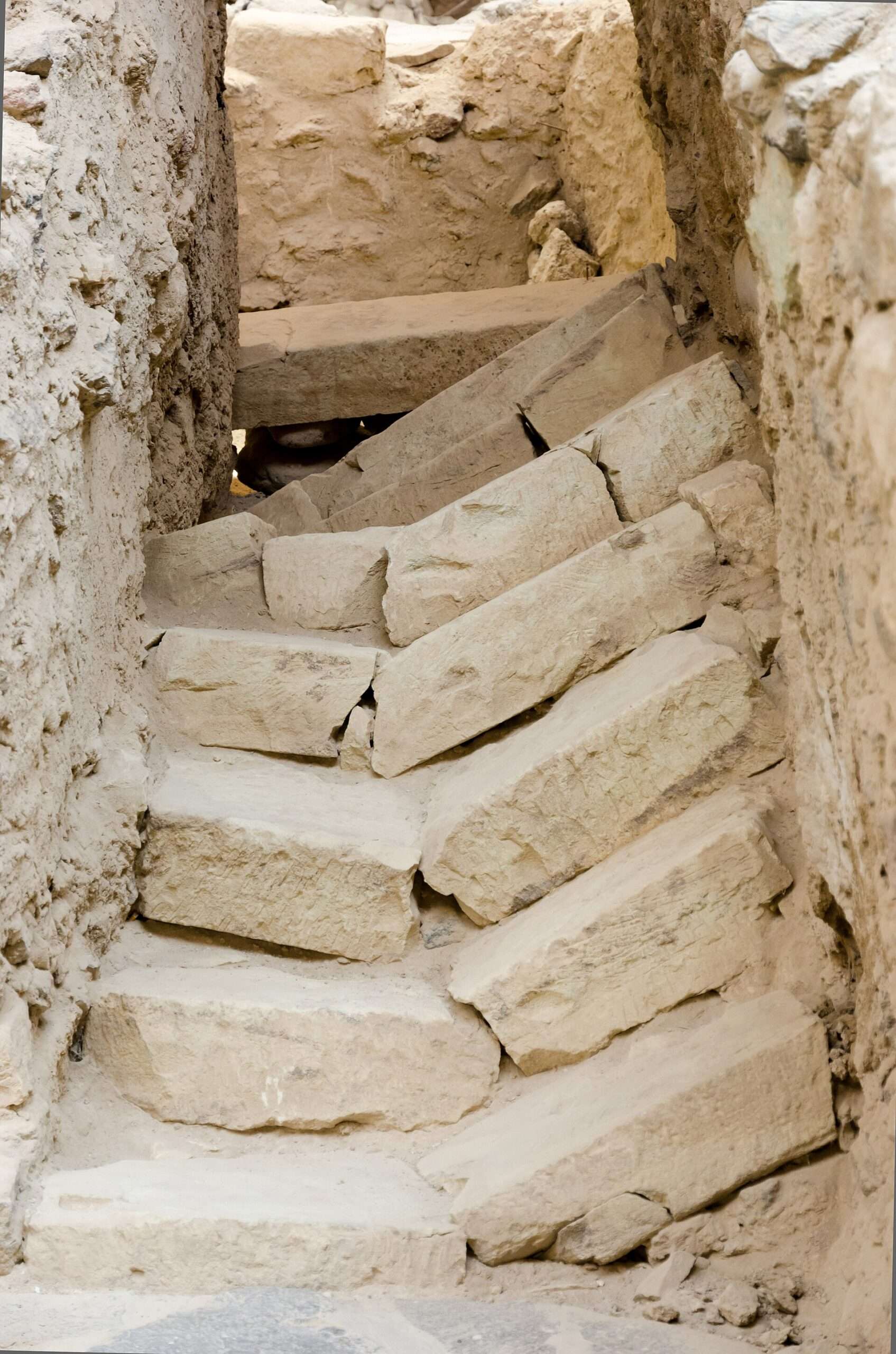
- The excavation sits entire under a bioclimatic roof: elevated walkways loop over streets, squares, and multi-story houses with their staircases, storage jars, and drainage still in place.
- Entry runs about €12; audio context or a licensed guide upgrades a site whose labels are laconic and whose significance is anything but.
- The celebrated frescoes — the Spring swallows, the boxing boys, the flotilla — were lifted for preservation: the Museum of Prehistoric Thera in Fira holds a superb share, Athens’ National Archaeological Museum the rest. See the Fira museum the same day and the visit completes itself.
- The Red Beach’s cinder cliffs sit a short walk from the site — viewable from the overlook path reliably, while access down to the sand opens and closes with rockfall assessments; check locally and treat the warning signs as meant.

Getting there
The Fira–Akrotiri bus is standard island transit: buy aboard, ride the caldera-edge road south, and step off by the site’s car park. Timetables thin outside high season — photograph the return board. Drivers and quad-riders reach it in twenty minutes with the Red Beach and the lighthouse as natural extensions; the southern loop makes a fine half-island day around the excavation at its center.
The visit
Enter and let the roof’s hush reset your expectations: this is not scattered foundations but a town — Telchines Street running between houses that stood three floors, the mill installation, the West House whose walls held the flotilla fresco, pithoi still racked in their storerooms. The walkways’ loop takes ninety minutes at reading pace; a guide stretches it usefully. The absent frescoes are the site’s one honest gap, which the alarm already handled: pair the visit with Fira’s Museum of Prehistoric Thera — twenty minutes with the swallows and the golden ibex — and the town and its art reunite in your head, which is the only place they currently can.
When to go
The roof makes Akrotiri the island’s one all-weather, all-season heavyweight — summer’s heat and the caldera’s wind both stop at the door. April–June and September–October pair it best with the southern beaches; July–August mornings dodge the cruise excursions that arrive late morning. Winter thins the buses and the hours but the site holds; check the seasonal schedule and the weekly closure day, per the alarm, before building anything.
Frequently Asked Questions
Is Akrotiri worth it if I’ve seen Pompeii?
Different register: older by seventeen centuries, Aegean rather than Roman, and evacuated rather than entombed. The preservation under the roof is arguably finer; the scale is smaller. For anyone drawn to the Bronze Age, it’s the better site.
Where exactly are the frescoes?
The Museum of Prehistoric Thera in Fira (essential, same-day) and the National Archaeological Museum in Athens hold them between them. Nothing of consequence remains on the walls at the site — the alarm means it.
Is this the Atlantis place?
The eruption-destroys-advanced-civilization arc has attached Plato’s story here since the excavations began, and the gift shops vote yes. The archaeology needs no legend; enjoy the theory as seasoning.
Can I combine it with the Red Beach?
The overlook is a reliable ten-minute add and worth it for the cliff’s color alone; descending to the sand depends on current rockfall status and posted signs. Vlychada and Perissa’s black sand carry the swimming load either way.
Guide or no guide?
The site’s sparse labeling makes this the island’s best case for a guide or solid audio prep — the difference between walking over ruins and walking through a town. Budget accordingly.